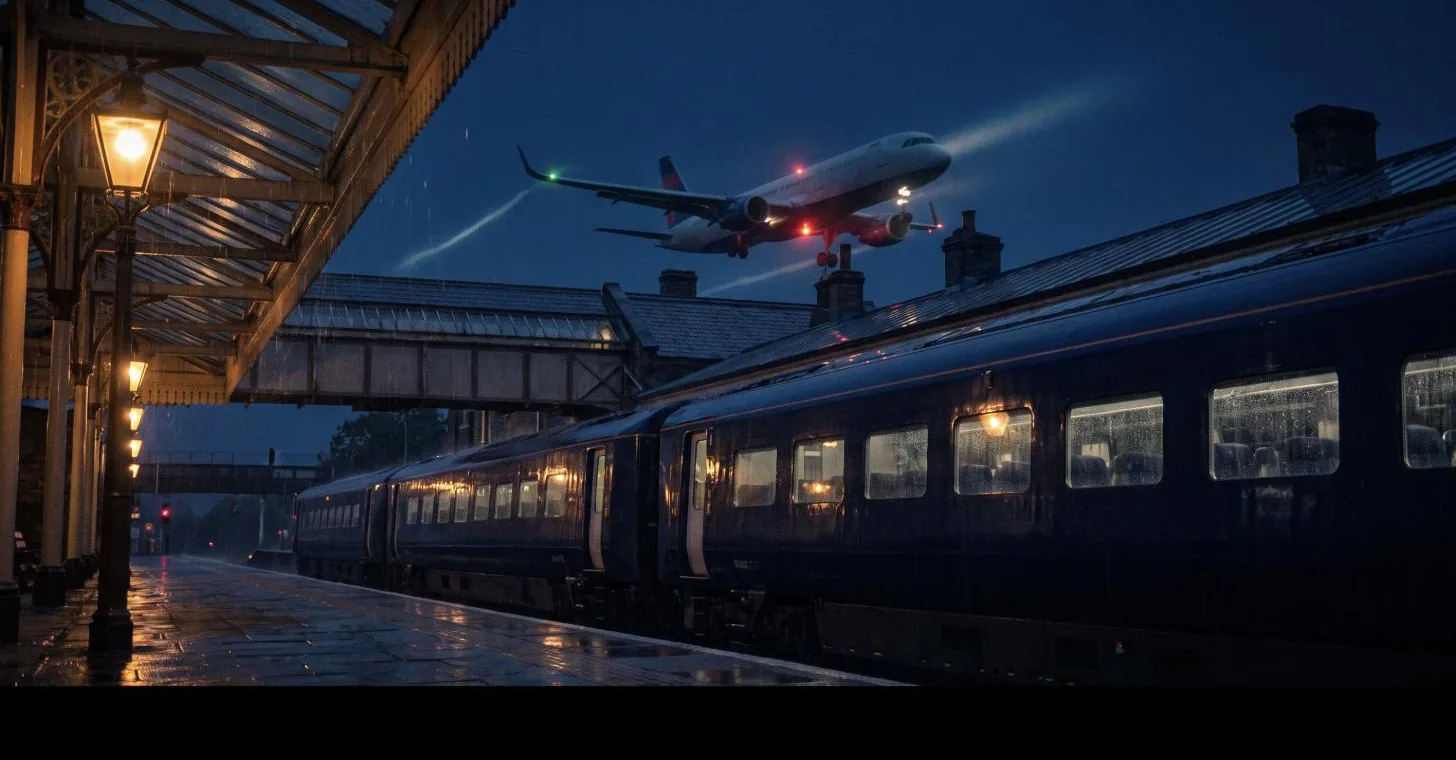
A twenty-four pound flight to Alicante. A two hundred and twenty pound train to Manchester. Same week, same country, same laws of economics. I price trains for a living, and the internet’s favourite explanation, greed, does not survive contact with how either fare is actually set.
Both prices came out of a revenue management system. Same maths, same textbooks, in some cases the same software vendors. What separates them is not the machinery but the problem each machine has been pointed at. The airline is desperate to fill seats. The railway, at six o’clock on a Friday evening, is trying to ration them. See the two problems and both prices start to make sense.
One system fills seats. The other rations them.
An unsold plane seat earns nothing, forever. The moment the doors close its value goes to zero. So airline pricing starts low and goes hunting for bodies. Load factor is the whole game, and on a leisure route to Spain it is played against two or three rivals flying to the same beaches in the same school holidays. Nobody on that route can afford to be the expensive one for long.
The railway’s Friday-evening problem is the opposite one. More people want the 18:05 to Manchester than there are seats on it, and there is no way to run a second 18:05, because the track is full and the fleet is committed. When you cannot add supply and you cannot turn people away at the gate, price is the only rationing tool left. That high walk-up fare is not chasing revenue. It is a queue management device. It steers anyone who could travel at eleven towards a quieter, cheaper train, and it keeps the peak boardable for the people who have no choice.
It is worth being honest about what the viral comparison actually compares: the most flexible fare on the busiest train of the week against the cheapest promotional seat on a plane the airline is anxious to fill. The same railway will sell you a Tuesday off-peak advance for less than a round of drinks. The outrage screenshot puts the worst fare on one system against the best fare on the other.
The ladder under the bonnet
Under the bonnet, both systems sell from fare buckets. Book early and you draw from a stack of cheap tickets. Every sale drains the bucket, and when the cheapest one empties you are quoted from the next one up. Most travellers have watched this happen without knowing its name.
The difference between the plane and the train is the slope of the ladder. The airline’s ladder stays shallow because competition holds it down; close your cheap buckets too early and a rival will happily take the traffic. The railway’s ladder climbs hard as the peak approaches, because at 18:05 on a Friday it is the only game in town. The steepness is doing the rationing. Neither slope is an accident.
The trick the machine leaves on the table
The railway’s version does leave one loophole lying around: split ticketing. Price one journey as two separate legs and each leg draws from its own, often cheaper, bucket. Same train, same seat, and the two hundred and twenty pound fare can come down to eighty-seven. For the passenger this is a legal saving, and there are websites that will do the splitting for you.
For the operator it is something else. It is a visible seam in a fare structure assembled over decades, where the price of the parts has drifted away from the price of the whole. The passenger is not being clever here so much as the system is being inconsistent. Money is changing hands on terms the railway never meant to offer.
If you run the railway, this is the interesting part
Rationing by price is legitimate. It is the reason the Friday peak is boardable at all. But it only stays defensible while the ladder is deliberate, while every step reflects a decision somebody actually made about this train, this flow, this day of the week. Split-ticket seams, cliff edges between buckets, peak fares that are steep mainly because nobody has looked at them in years: those are the marks of a system answering yesterday’s problem with yesterday’s settings.
And every £220 screenshot that goes viral costs the industry something, paid in public trust. If you are going to ration by price, and at peak you must, you need a fare structure you can explain with a straight face. The airline lesson for rail is not that low prices win. It is that the machine has to be pointed at the problem you actually have, by someone who has looked at it recently.
Prices are answers to questions. Twenty-four pounds answers: how do we fill this plane? Two hundred and twenty pounds answers: how do we stop this train from bursting? As a passenger, your job is to work out which question your ticket price is answering, and buy where the system wants you. If you run the railway, your job is to make sure the system still knows what it has been asked.
This piece began life as a two-minute animated explainer on my YouTube channel. Watch it on Load Factor.
Is your fare ladder deliberate, or just old?
If your fare structure has grown by accretion rather than design, a short diagnostic will show where it is leaking and which fixes pay back first.
Book a 30-minute call